Decking repair and refurbishment in Teesside
The first job is always finding out whether the problem is the boards or the frame.
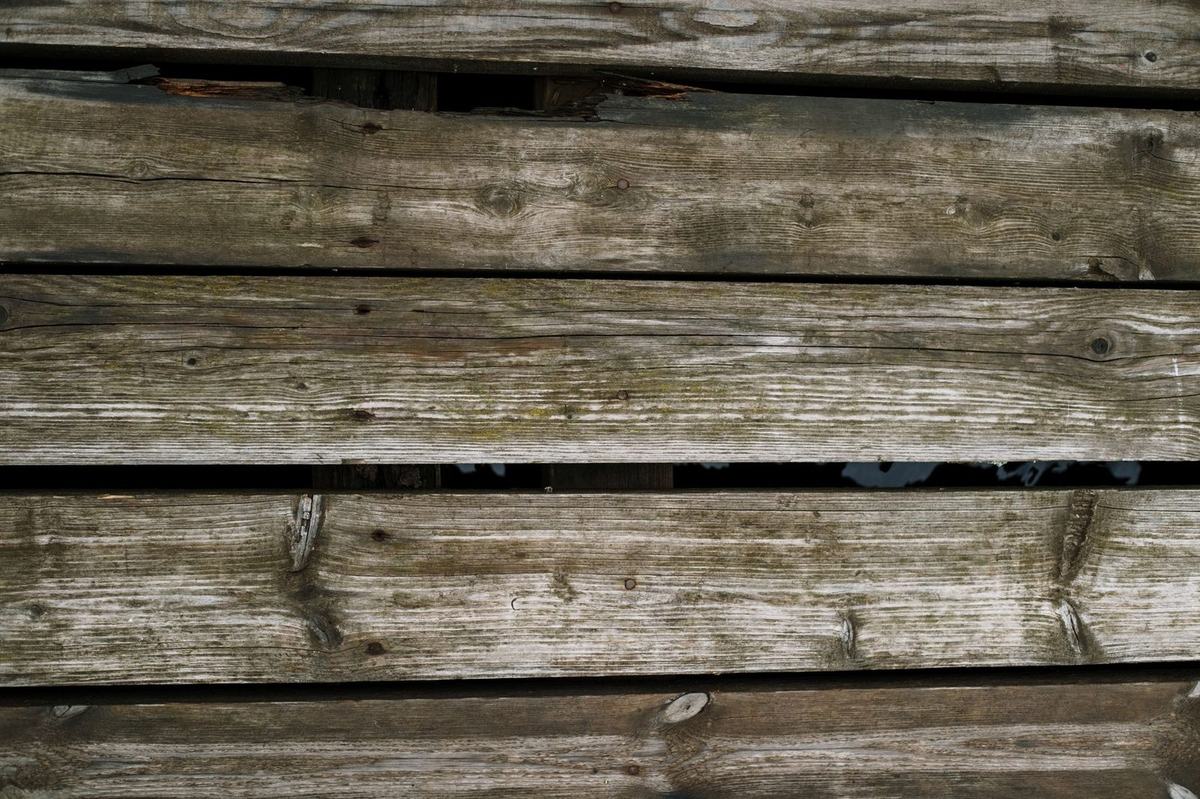
Boards or frame: the question that sets the price
Push a screwdriver into a suspect board and into the joist beneath it. If the joist gives way too, the deck is rotting from the frame out and patching boards just hides it.
Why Teesside decks fail where they do
Three causes account for most of it. Joists laid directly on soil or old slabs with no gap, so they wick water up all winter. No joist tape, so rain that runs between the boards sits on the top edge of every joist and rots it from above. And a blocked perimeter, usually a close-boarded fence or a raised bed built right up to the deck edge, which stops air moving underneath and keeps the whole structure damp from October to April. Fix those and a repair lasts. Skip them and you are back in three years.
Refurbishment that actually transforms a deck
A sound deck that simply looks awful is a satisfying job: clear out the debris underneath, wash off the algae, sand the surface, replace the two or three worst boards, tighten and replace failed fixings, then oil. It changes how the whole garden reads for a few hundred pounds, and it buys years. Add anti-slip strips to steps while the sander is out, because steps are where slips actually happen.
When replacement beats repair
Be honest about the arithmetic. If more than about a third of the frame needs cutting out, if the deck was built at 600mm joist centres and now flexes underfoot, or if it sits directly on the soil, the money is better spent on a new build with a proper subframe. A contractor who says that out loud is worth listening to.